विशेष लेख
Remarkable Facts About These Gentle Giants
There are three distinct species of elephants recognized by scientists today. These include the African savannah elephant and the African forest elephant as well as the Asian elephant. Each species has unique characteristics and adaptations.
Newton Lucy
लेखक
लेख परिचय
नीचे पूरा लेख पढ़ें।
अनुभाग
समाचार
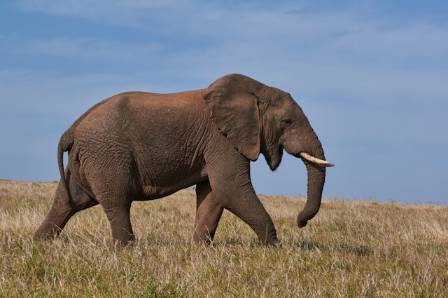
There are three distinct species of elephants recognized by scientists today. These include the African savannah elephant and the African forest elephant as well as the Asian elephant. Each species has unique characteristics and adaptations.
The African savannah elephant is the largest land mammal. Males can stand up to four meters tall. They often weigh as much as sixty eight hundred kilograms. Wild elephants typically enjoy a long lifespan. They usually live between sixty and seventy years.
Elephants are massive herbivores that require plenty of fuel. They can eat up to six hundred pounds of vegetation every single day. Most of the time they consume closer to half that amount. They also need significant hydration. An adult will drink between twenty five and fifty gallons of water daily.
Their trunk is an incredibly versatile and powerful tool. It allows them to breathe and smell and touch. They also use it to grasp objects and produce loud sounds. The trunk can hold up to two and a half gallons of water at once.
Elephant tusks are actually enlarged incisor teeth. You can spot them on young elephants at two years old. These tusks grow continuously throughout their entire lives. A single tusk can weigh over two hundred pounds. Elephants use them for digging and stripping bark. They also use them as weapons during defense. Poachers have targeted these animals for their ivory. This illegal trade causes severe population declines.
Elephants possess the largest brain of any land animal. They demonstrate deep self awareness and genuine empathy. They can even recognize their own reflection in a mirror. Only a few other species share this advanced ability. They mourn their dead and remain highly social creatures.
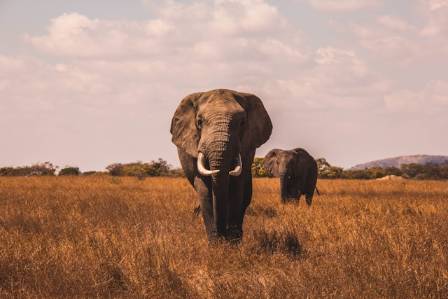
These animals communicate in complex ways. They use touch and sight and smell along with sound. They also generate seismic vibrations that travel through the ground. Their low frequency rumbles can be heard by others miles away. They can feel these sounds as vibrations through their feet and trunks.
Female elephants live in organized family groups known as herds. A matriarch leads each group. She is usually the oldest and wisest female. Her memory and experience guide the family. Males stay in these herds until they reach adolescence. Once they turn twelve or thirteen they start living alone. They may also form bachelor herds with other males.
Elephants cannot jump but they are excellent swimmers. They often use their trunks as natural snorkels when crossing deep water. This allows them to move through aquatic environments safely.
An elephant pregnancy lasts about twenty two months. A newborn calf usually weighs between two hundred and three hundred pounds. These large babies require plenty of care and protection.
Asian elephants are considered endangered with fewer than fifty thousand remaining in the wild. African elephants also face significant risks. Savannah elephants are endangered while forest elephants are listed as critically endangered. Poaching and habitat loss are the primary threats.
These creatures are much more than just remarkable animals. They function as a keystone species for their environment. Their presence is essential to the health of entire ecosystems. Protecting them helps preserve biodiversity and supports local economies. It also maintains the natural balance that benefits all life on Earth.
यह भी पढ़ें

प्रत्येक गतिविधि के लिए आदर्श महिला खेल परिधान चुनने के सिद्धांत
ओम प्रकाश चावड़ा

झानकियाओ पियर – किंगदाओ ओल्ड टाउन
दिव्या

दुनिया के स्की रिसॉर्ट्स, 2024/25
आर्यन

The Best Selling Vehicles Dominating British Roads Right Now
Mia Reynolds

The Most Colorful Facts About Mandarin Ducks
Melissa Green

एफिल टॉवर पर जाने का सबसे अच्छा समय - कतारों से बचें
हर्षित