← मुखपृष्ठ3 मिनट का पाठ
विशेष लेख
The Eurasian Blue Tit: A Comprehensive Profile
The Eurasian Blue Tit (Cyanistes caeruleus) stands out as one of Europe's most recognizable and beloved garden birds. This vibrant species demonstrates remarkable adaptability to various environments while maintaining fascinating behavioral characteristics that continue to captivate ornithologists and bird enthusiasts alike.
S
Samuel Bennett
लेखक
लेख परिचय
नीचे पूरा लेख पढ़ें।
अनुभाग
समाचार
The Eurasian Blue Tit (Cyanistes caeruleus) stands out as one of Europe's most recognizable and beloved garden birds. This vibrant species demonstrates remarkable adaptability to various environments while maintaining fascinating behavioral characteristics that continue to captivate ornithologists and bird enthusiasts alike.
Preferred Habitats
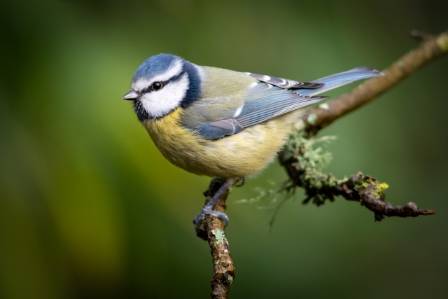
These colorful birds thrive in diverse woodland environments, showing particular preference for deciduous and mixed forests. Their remarkable adaptability extends to human-modified landscapes, where they frequently inhabit suburban gardens, urban parks, fruit orchards, and agricultural hedgerows. The species has successfully capitalized on human-provided resources, with nesting boxes and supplemental feeding stations significantly enhancing their breeding success in residential areas. During non-breeding seasons, they often expand their foraging range to include wetland vegetation, particularly reedbed habitats.
Dietary Preferences
While primarily insectivorous, feeding extensively on spiders and various invertebrates, Eurasian Blue Tits maintain a flexible diet that includes seasonal seeds and berries. They regularly visit bird feeders and have developed the unique behavior of consuming nectar and pollen during spring months. Their foraging technique demonstrates exceptional thoroughness, with individuals sometimes spending up to thirty minutes meticulously examining a single tree. These agile birds employ acrobatic feeding strategies, often hanging upside down—sometimes supported by just one leg—to access insects and larvae concealed beneath leaves and branches.
Reproductive Biology
Nesting Sites
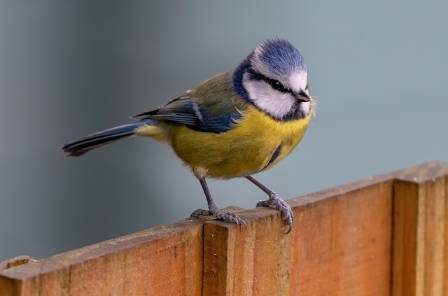
These cavity-nesting birds utilize various sheltered locations, including natural tree hollows, artificial nest boxes, and man-made structures such as wall cavities and poles.
Nest Construction
Females construct cup-shaped nests atop a foundation of moss and dried grasses, lining the interior with soft materials like animal hair, wool, and feathers.
Reproductive Statistics
-
Typical Clutch Size: 6-16 eggs
-
Annual Broods: 1-2
-
Incubation Period: 12-16 days
-
Nestling Development: 16-23 days
-
Egg Characteristics: White background with irregular reddish-brown speckling
Behavioral Characteristics
Eurasian Blue Tits exhibit confident, energetic behavior and readily adapt to human presence. Outside breeding seasons, they form social groups that merge into larger flocks, often joining mixed-species foraging assemblies that may include Long-tailed Tits, Goldcrests, and Eurasian Treecreepers.
Their complex courtship displays include:
-
Moth-flight patterns with rapid, shallow wingbeats
-
Butterfly-style flights featuring deep, slow wing strokes
-
High-altitude ascents followed by dramatic descents
-
Intricate dance rituals where males showcase their vibrant plumage
Most pairs maintain lifelong monogamous bonds, though some males practice polygyny, maintaining multiple females within their territory. While females handle all nest construction, incubation, and initial brooding duties, both parents participate in feeding their developing offspring.
Conservation Status
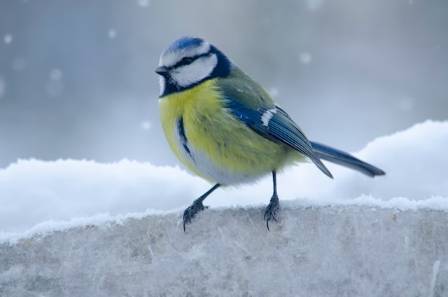
The International Union for Conservation of Nature classifies the Eurasian Blue Tit as Least Concern, reflecting its extensive geographical distribution, robust population numbers, and positive demographic trends. Current estimates indicate European breeding populations range between 59.7-95.1 million mature individuals, with numbers continuing to demonstrate gradual increase.
This species' success story highlights the importance of adaptable ecological strategies and demonstrates how some wildlife species can thrive in human-dominated landscapes through behavioral flexibility and utilization of artificial resources.
यह भी पढ़ें

en
Health Benefits of Oranges, Plus Nutrition Facts
Alex Parker

hi
चढ़ने के लिए 12 सबसे अच्छे पहाड़ 🏔 (मुमकिन चोटियाँ!)
आद्या

hi
तरबूज कैसे चुनें: 6 मददगार टिप्स
संदीप

hi
तूफानों द्वारा तराशी गई आकृतियाँ
मोहन
en
Tiny Hunter: The American Kestrel
Eliza Vaughn

hi
डोरायाकी: जापान की इस प्रतिष्ठित मिठाई की विरासत और स्वाद की खोज
ओमकार ठाकुर