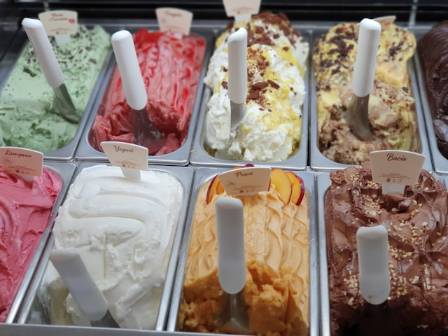
Ice cream is a universal joy—few treats can unite people across cultures like a cold, creamy scoop on a warm day. But while its core appeal is timeless, the way we eat ice cream varies dramatically from one corner of the globe to the next. What began as ancient civilizations flavoring snow with fruit juices has evolved into a tapestry of culinary innovations, shaped by local ingredients, traditions, and creativity. From chewy Turkish dondurma to whimsical German spaghettieis, each culture has put its own spin on this frozen delicacy, turning it into more than just a dessert—an expression of identity, history, and community. Let’s embark on a global journey to explore 16 fascinating ways ice cream is savored around the world, delving into their origins and cultural significance.
Dondurma (Türkiye): The Chewy, Melting-Resistant Ice Cream
In Türkiye, “dondurma” simply means “ice cream,” but internationally, it refers to a distinct variety known as mastic ice cream—famous for its elastic, chewy texture and remarkable resistance to melting. Rooted in Ottoman culinary traditions, this ice cream is crafted through a labor-intensive process: a mixture of goat’s milk, sugar, salep (a powder made from orchid tubers), and mastic (a resin from the mastic tree) is slowly heated and then kneaded for hours in a chilled metal vat using long-handled paddles. Salep is the secret to its unique consistency, giving dondurma a stretchy, taffy-like quality that allows it to be eaten with a knife and fork or even pulled into long strands by street vendors. These vendors are renowned for their theatrical serving style—teasing customers with the ice cream, pretending to hand it over before playfully pulling it back—turning a simple purchase into an entertaining spectacle. While it’s often served in cones, dondurma is also enjoyed on plates, sliced like a dessert, and pairs perfectly with strong Turkish tea. Its ability to withstand warm temperatures makes it ideal for Türkiye’s sunny climate, and its rich, slightly piney flavor (from the mastic) has made it a beloved symbol of Turkish cuisine.
Booza (Middle East): The Elastic Precursor to Modern Ice Cream
Originating in 16th-century Syria, booza is one of the oldest known forms of dairy-based ice cream and is widely considered a precursor to Turkish dondurma. This traditional treat is beloved across the Middle East and Mediterranean, prized for its creamy texture and subtle floral notes. Like dondurma, booza is made with salep and mastic, but its production involves pounding the mixture with wooden mallets in a cold metal drum, resulting in a smoother, less chewy consistency than its Turkish cousin. Traditional flavors include rosewater, pistachio, and orange blossom—reflecting the region’s love for aromatic ingredients—while modern iterations have expanded to include hazelnut, mint chocolate chip, and even salted Oreo. Booza’s elasticity allows it to be pulled and stretched, making it a tactile pleasure to eat, and it’s often served in small bowls or cones at family gatherings and festivals. In recent years, specialty parlors in the U.S. and Europe have revived this ancient dessert, introducing it to new audiences who appreciate its artisanal craftsmanship and unique flavor profile.
Kulfi (South Asia): The Mughal-Era Frozen Custard
Kulfi, often called “Indian ice cream,” is a rich, dense frozen dessert that traces its roots to the Mughal Empire in 16th-century Delhi. Unlike Western ice cream, kulfi is more akin to a frozen custard, made with malai (clotted cream), evaporated milk, sugar, and aromatic spices like cardamom, saffron, and pistachio. Its creation is a testament to Mughal ingenuity: in a time without freezers, the empire’s chefs froze the mixture in cone-shaped molds using ice transported from the Himalayas or potassium nitrate (saltpetre) to lower the freezing point. The slow cooking and cooling process thickens the mixture, resulting in a velvety texture that melts slowly on the tongue, releasing layers of spice and cream. Traditional kulfi flavors include pistachio (pista kulfi), saffron (kesar kulfi), and rose (gulab kulfi), while modern versions may feature mango, chocolate, or even coconut. Kulfi is not just a dessert but a cultural icon in South Asia, enjoyed at weddings, Eid celebrations, and street stalls across India, Pakistan, Bangladesh, and Sri Lanka. It’s often served on a stick (kulfi falooda) with vermicelli noodles and rose syrup, creating a sweet, satisfying treat that honors its royal heritage.
Bastani (Iran): The Ancient Persian Ice Cream of Rose and Saffron
Iran’s contribution to ice cream history is bastani, a luxurious cream-based dessert with roots dating back to the ancient Persian Empire—one of the first civilizations to master ice storage and frozen treat making. Thousands of years ago, Persians built yakhchāls (underground ice houses) with thick insulating walls and wind catchers to preserve ice harvested in winter, allowing them to enjoy frozen desserts year-round. Bastani evolved from earlier Persian treats like faloodeh (a sorbet with starch noodles and rosewater) and was influenced by Middle Eastern booza. It’s made with milk, cream, sugar, saffron, rosewater, pistachios, and sometimes mastic or salep, giving it a vibrant golden color and a fragrant, floral flavor. The mixture is churned slowly to minimize air, resulting in a dense, creamy texture that’s richer than Western ice cream. Bastani is often served with faloodeh noodles, creating a delightful contrast of textures—creamy ice cream paired with chewy noodles. It’s a beloved dessert at Persian New Year (Nowruz) and other celebrations, symbolizing joy and abundance, and remains a source of national pride for Iranians worldwide.
Gelato (Italy): The Creamy, Low-Fat Renaissance Delight
Gelato is Italy’s gift to the ice cream world—a smooth, dense, and intensely flavored treat that emerged during the Italian Renaissance. While its exact origins are debated (some credit Florence’s Catherine de’ Medici with introducing it to France), gelato’s popularity spread across Italy, with each region developing its own specialties. What sets gelato apart from regular ice cream is its lower fat content (about 4-8% compared to 10-15% for ice cream) and slower churning process, which incorporates less air, resulting in a denser, creamier texture and more concentrated flavor. It’s also served at a warmer temperature (around 10-15°F, compared to 0°F for ice cream), allowing its complex flavors to shine. Gelato comes in a endless array of flavors, from classic vanilla, chocolate, and strawberry to regional specialties like pistachio (from Sicily), hazelnut (from Piedmont), and stracciatella (shredded chocolate mixed into vanilla). It’s typically served in a small cup or cone, and Italians take great pride in their gelaterias, where it’s made fresh daily with high-quality, seasonal ingredients. Gelato is more than a dessert in Italy—it’s a way of life, enjoyed as a midday snack, after-dinner treat, or during evening strolls (passeggiata).
Halo-Halo (Philippines): The Colorful Layered Sundae of the Tropics
Halo-halo, which means “mix-mix” in Tagalog, is the Philippines’ iconic frozen dessert—a vibrant, layered creation that combines shaved ice, coconut milk, and a medley of sweet toppings. At first glance, it resembles a sundae, but its unique combination of ingredients sets it apart: candied palm seeds, mung beans, sweetened chickpeas, tapioca pearls, coconut sport, diced mango, jackfruit, taro, and sometimes even cheese. The base is shaved ice soaked in evaporated or coconut milk, topped with the colorful array of toppings, and finished with a scoop of ube ice cream (made from purple sweet potato) or cheese-flavored ice cream. Halo-halo’s origins are rooted in Filipino ingenuity, combining local tropical ingredients with influences from Spanish and American cuisine. It’s a refreshing treat perfect for the Philippines’ hot climate, and its customizable nature means every bowl is unique—reflecting personal or regional preferences. Whether enjoyed at street stalls, restaurants, or family gatherings, halo-halo is more than a dessert; it’s a celebration of Filipino culture and creativity.
Es Puter (Indonesia): The Coconut Milk Ice Cream with Savory-Sweet Twists
Es puter, or “stirred ice,” is Indonesia’s traditional ice cream, named for its production method: hand-spun in a metal drum surrounded by salt and ice to create a creamy, frozen treat. Unlike dairy-based ice creams, es puter uses coconut milk as its base, making it suitable for vegans and those with lactose intolerance. It’s often flavored with local ingredients like durian, jackfruit, avocado, or sweetcorn, and topped with black sticky rice, bread cubes, or even candied mealworms (a regional delicacy). Street vendors frequently serve es puter in a slice of bread, creating a simple yet delicious ice cream sandwich that’s perfect for on-the-go eating. Es puter’s origins are tied to Indonesia’s tropical climate and abundance of coconut palms, which provide a readily available base for the dessert. It’s a popular treat at festivals, markets, and family gatherings, offering a unique blend of sweet and savory flavors that reflects Indonesia’s diverse culinary heritage.
Akutaq (Alaska, USA): The Indigenous Survival Food Turned Cultural Delicacy
Akutaq, also known as “Eskimo ice cream,” is a traditional frozen dessert of Alaska’s Indigenous peoples, with a history spanning thousands of years. Far from a mere treat, akutaq was originally a survival food—nutrient-dense, naturally preserved, and portable, making it ideal for hunting parties braving Alaska’s extreme cold. Its recipe varies by family and region but typically includes fresh snow, local berries (like blueberries, cranberries, or cloudberries), and animal tallow (from reindeer, seals, polar bears, or whales), whipped together into a creamy, frozen concoction. Some versions add fish, sweet roots, or greens, enhancing its nutritional value. Akutaq is deeply tied to Indigenous culture, passed down orally through generations, and is still enjoyed at celebrations and gatherings today. While modern adaptations may replace animal tallow with shortening or omit fish for Western tastes, traditional akutaq remains a symbol of resilience and connection to the land. It’s a unique example of how ice cream can be both a cultural heritage and a practical necessity.
Helado de Paila (Ecuador): The Copper-Wok Sorbet of the Andes
Helado de paila is Ecuador’s beloved frozen dessert, invented in 1896 by a teenager named Rosalía Suárez. While technically a sorbet (it contains no cream), its cultural significance and unique preparation method earn it a spot on this list. Suárez discovered that stirring fruit juice in a copper wok (paila) placed in a basin of snow, ice, and straw created a thick, tasty frozen treat. Today, genuine helado de paila is still made using this traditional method, with fresh fruit juices (like mango, pineapple, or blackberry) as the base. The copper wok conducts cold evenly, resulting in a smooth, refreshing sorbet with intense fruit flavor. Helado de paila is a staple at Ecuadorian festivals and markets, often served in small cups with a sprinkle of cinnamon or a drizzle of honey. It reflects the country’s Andean heritage and reliance on local fruits, and its simple, artisanal preparation is a testament to Ecuadorian ingenuity. While it may not be as rich as dairy-based ice creams, its bright, fruity flavor and cultural charm make it a must-try for visitors.
Ice Cream Chimney Cake (Central Europe): The Crispy, Caramelized Cone Alternative
In Central Europe—particularly the Czech Republic, Slovakia, and Hungary—ice cream is often served in a chimney cake (trdelník in Czech/Slovak, kürtőskalács in Hungarian), a delicious alternative to the classic wafer cone. Chimney cakes are made by wrapping strips of sweetened yeast dough around a spit, which rotates over charcoal while the cake bakes. As it cooks, the dough is basted with butter and sprinkled with sugar, which caramelizes to create a crispy, golden crust. Cinnamon, crushed nuts, or cocoa powder are often added for extra flavor. Once baked, the hollow, cylindrical cake is cooled slightly, then filled with scoops of ice cream or soft serve, and garnished with sprinkles, sauce, or whipped cream. The combination of warm, crispy cake and cold, creamy ice cream is irresistible, making it a popular street food in cities like Prague, Budapest, and Bratislava. Chimney cakes have a long history in Central Europe, originally served as a sweet bread, but their pairing with ice cream is a modern twist that has captured the hearts of locals and tourists alike.
Plombir (Russia): The Rich, Decadent Soviet-Era Ice Cream

Plombir is Russia’s iconic ice cream, a luxurious, high-fat treat that dates back to the Soviet era, when strict quality controls ensured it lived up to its reputation as a premium product. Inspired by the French dessert “glace plombières,” plombir differs in that it omits the French version’s candied fruit soaked in kirsch. Instead, it’s made with milk, cream, sugar, and egg yolks, churned slowly to create a dense, creamy texture with a fat content between 12-20% (far higher than regular ice cream). Plombir’s rich, velvety flavor is often vanilla-based, but it can also be found in flavors like chocolate, strawberry, or pistachio. During the Soviet era, plombir was a symbol of prosperity and was often served at special occasions, as its production required scarce ingredients like cream and sugar. Today, it remains a beloved dessert in Russia, enjoyed by young and old alike, and is known for its ability to melt slowly, allowing you to savor every creamy bite. Plombir is a testament to Russia’s love for indulgent, high-quality desserts and its culinary legacy of turning simple ingredients into something extraordinary.
Mochi Ice Cream (Japan): The Chewy Rice Cake-Wrapped Treat
Mochi ice cream is a delightful fusion of Japanese and American culinary traditions—soft, chewy mochi (glutinous rice cake) wrapped around a scoop of ice cream. While mochi has been a staple in Japanese cuisine for centuries (used in celebrations like New Year’s), mochi ice cream was invented in the U.S. in 1994 by Frances Hashimoto, a Japanese-American CEO of a Japanese dessert company. The idea came from daifuku, a traditional mochi ball filled with red bean paste, which Hashimoto adapted by replacing the bean paste with ice cream. Mochi ice cream is made by pounding glutinous rice into a soft, elastic dough, cutting it into squares, and wrapping each square around a small scoop of ice cream (flavors like matcha, strawberry, vanilla, or mango). The result is a textural delight—chewy mochi paired with creamy ice cream—that quickly became popular in Japan and then globally. It’s often served chilled, individually wrapped, making it a convenient snack for on-the-go. Mochi ice cream is a perfect example of how cultural fusion can create something new and beloved, bridging traditions from East and West.
Bingsu (South Korea): The Shaved Ice Dessert with Condensed Milk Magic
Bingsu is South Korea’s beloved frozen dessert, with a history dating back to the Joseon era (1392-1910), when it was made with shaved ice, fruit, and sweet red beans. Over time, bingsu evolved, incorporating foreign influences—particularly from the U.S. after the Korean War—to become the creamy, indulgent treat we know today. The modern version features finely shaved ice (so light and fluffy it resembles snow) topped with condensed milk, sweet red bean paste, rice cakes, nuts, and a variety of toppings like fresh fruit, chocolate, or cheese. Some popular variations include injeolmi bingsu (with soy bean powder and rice cakes), mango bingsu (topped with fresh mango and mango syrup), and patbingsu (the classic red bean version). Bingsu’s popularity skyrocketed in the 2010s, becoming a global phenomenon, and it’s now a staple at Korean cafes and restaurants worldwide. It’s the perfect dessert for hot weather, offering a refreshing balance of sweet and creamy flavors, and its customizable nature means there’s a bingsu for every taste. Bingsu is more than a dessert in South Korea—it’s a social experience, enjoyed with friends and family over conversation.
Fried Ice Cream (China & Mexico): The Crispy-Coated Frozen Surprise
Fried ice cream is a culinary curiosity that defies expectations—battered and fried ice cream that remains cold and creamy on the inside. Its origins are debated: some claim it was invented in Japan using a tempura method, while others trace it to 19th-century Chicago or Philadelphia. It’s a staple of both Chinese and Mexican-American cuisines, with slight variations in preparation. In Mexico, fried ice cream is typically made by rolling a scoop of ice cream in crushed cornflakes or nuts, dipping it in egg batter, and frying it quickly in hot oil (the high temperature creates a crispy shell that seals in the cold). It’s often served with cinnamon, sugar, and a drizzle of chocolate or caramel sauce. In China, fried ice cream may use a lighter batter or breadcrumbs, and is sometimes served with fruit or sweet syrup. The key to its success is the quick frying time—just a few seconds—ensuring the shell crisps up without melting the ice cream inside. Fried ice cream is a crowd-pleaser at parties and restaurants, offering a delightful contrast of hot and cold, crispy and creamy.
Ai-Tim Phat (Thailand): The Rolled Ice Cream Sensation
Ai-tim phat, or rolled ice cream, is a Thai invention that took the world by storm after its debut in 2009. This visually stunning dessert is made by pouring a thin layer of ice cream batter (typically cream, condensed milk, and flavorings) onto a freezing cold metal plate. Toppings like fresh fruit, Oreo cookies, chocolate, or nuts are added and chopped into the batter using metal spatulas. The mixture is stirred and spread thin, allowing it to freeze quickly on the cold plate. Once solidified, the spatulas are used to scrape the ice cream into tight, cylindrical rolls, which are then placed in a cup and topped with sauces, sprinkles, wafers, or fresh fruit. Rolled ice cream is often referred to as “stir-fried ice cream” due to the way it’s mixed and scraped on the plate. Its popularity stems from its interactive preparation—customers can watch as their ice cream is made right in front of them—and its endless flavor combinations. It’s a staple at Thai night markets and has spread to cities worldwide, becoming a favorite among foodies for its unique texture and visual appeal.
Spaghettieis (Germany): The Playful Pasta-Shaped Ice Cream
Spaghettieis is Germany’s whimsical contribution to the ice cream world—a dessert that cleverly mimics a plate of spaghetti. Invented in 1969 by 17-year-old Dario Fontanella (the son of Italian immigrants with a long line of ice cream makers), Spaghettieis was inspired by a trip to France, where Fontanella was struck by the idea of creating a fun, visually striking dessert. The process is simple but ingenious: vanilla ice cream is pushed through a potato ricer to create long, thin strands that resemble spaghetti. These “noodles” are heaped onto a bed of whipped cream, topped with strawberry coulis (to mimic tomato sauce), and sprinkled with shaved white chocolate (to look like Parmesan cheese). While it may sound like a gimmick, Spaghettieis has remained popular in Germany for over 50 years, with around 40 million servings sold annually. It’s a favorite among children and adults alike, offering a playful twist on traditional ice cream that proves dessert can be both delicious and entertaining.
Conclusion: Ice Cream as a Global Language of Joy

From the chewy streets of Istanbul to the playful parlors of Berlin, ice cream has evolved into a global language of joy, reflecting the unique cultures and traditions of each region. Each of these 16 varieties tells a story—of ingenuity in the face of climate, of cultural fusion, of respect for local ingredients, and of the universal desire to indulge in something sweet. Whether it’s the royal heritage of kulfi, the Indigenous resilience of akutaq, or the modern innovation of rolled ice cream, ice cream has the power to bring people together, transcending borders and languages. As we travel the world through these frozen treats, we’re reminded that while our ways of enjoying ice cream may differ, the pleasure it brings is universal. So the next time you take a bite of ice cream, take a moment to appreciate the history, culture, and creativity that went into making it—because ice cream is more than just a dessert; it’s a celebration of what makes our world diverse and wonderful.