विशेष लेख
Trams: A Modern Answer to Sustainable Urban Transport
Less than a century ago, tramways formed the backbone of public transportation in many cities, linking neighborhoods, improving mobility, and shaping urban growth.
Hannah Louise Scott
लेखक
लेख परिचय
नीचे पूरा लेख पढ़ें।
अनुभाग
समाचार
Less than a century ago, tramways formed the backbone of public transportation in many cities, linking neighborhoods, improving mobility, and shaping urban growth. Once a familiar feature of towns and cities across Britain, tram systems largely disappeared by the 1960s. Today, however, trams are experiencing a revival as cities seek cleaner, more efficient, and environmentally friendly transportation solutions.
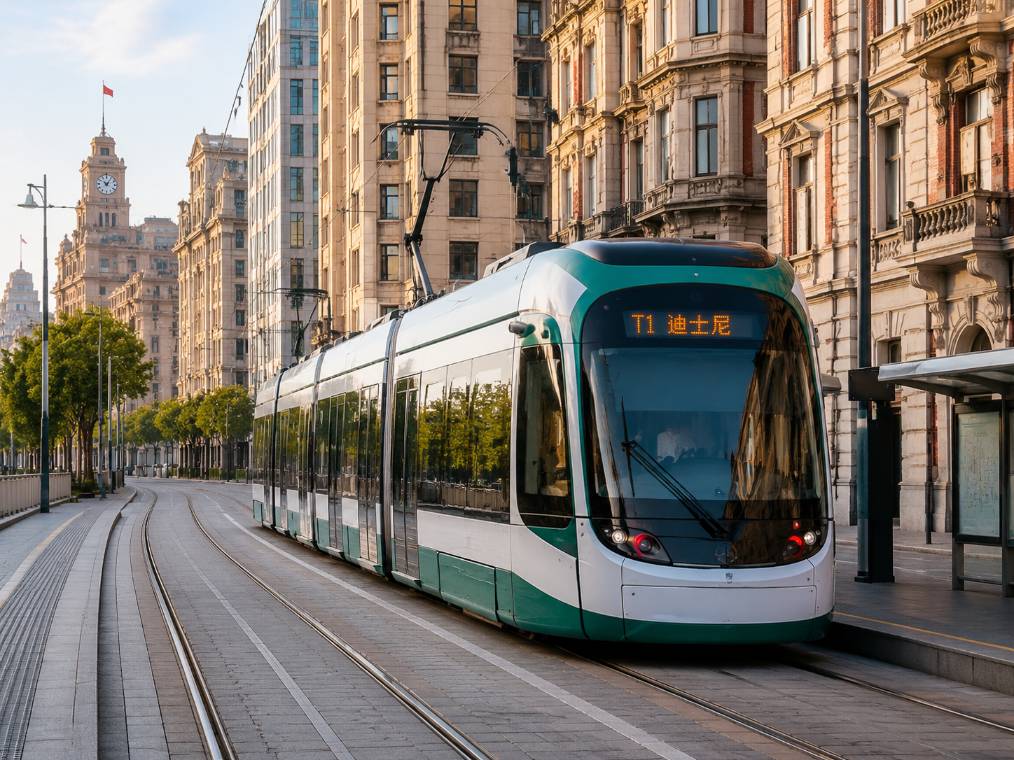
The history of passenger tram travel in Britain dates back to 1807, when the Swansea and Mumbles Railway introduced the world's first horse-drawn passenger tram service. As technology advanced, electric traction gradually replaced horse power, and by the 1920s more than one hundred British towns operated tram networks that carried millions of passengers each year.
The decline of trams began during the late 1920s. Trolleybuses offered a less expensive alternative because they required overhead wires but no rails, while growing car ownership increased pressure to dedicate road space to automobiles. As a result, many tram systems were neglected, dismantled, or permanently closed. London began phasing out its network after a review recommended complete replacement, and the city's final tram service operated in 1952. By 1962, only the Blackpool tramway remained in operation.
At the beginning of the twenty-first century, concerns over traffic congestion, air pollution, and limited transport options prompted renewed interest in tram systems. Cities throughout Europe recognized trams as a practical form of mass transit that combines efficiency with zero-emission operation. Today, nine UK tram systems carry hundreds of millions of passengers annually, while countries across Europe continue to expand their networks. France operates dozens of tram systems and continues to build new ones, Germany has tram services in around sixty cities, and China has rapidly developed numerous modern tram networks since 2010. Australia, meanwhile, is home to Melbourne’s world-famous tram system, the largest single network of its kind.
Advantages of Tram Systems
High Passenger Capacity
Trams can move large numbers of people efficiently. A single tram corridor can transport up to 22,000 passengers per hour, significantly increasing the carrying capacity of urban streets.
Reliable Service
Operating on dedicated tracks allows trams to avoid road congestion, resulting in more dependable schedules and predictable travel times.
Improved Safety
By encouraging lower traffic speeds and creating more organized streetscapes, tram systems contribute to safer environments for pedestrians, cyclists, and motorists alike.
Environmentally Friendly
Modern tram vehicles run entirely on electricity, helping cities reduce both greenhouse gas emissions and local air pollution.
Cost Efficiency
Compared with heavy rail infrastructure, tram systems are generally less expensive to build and maintain, while technological innovations continue to lower costs.
Accessibility
Level boarding across modern tram networks enables convenient access for wheelchair users, parents with strollers, travelers with luggage, and many other passengers.
Economic Development
By connecting residential areas, commercial districts, and employment centers, trams stimulate investment, support local businesses, and contribute to urban regeneration.
Long-Term Value
Tram infrastructure is highly durable and often remains in service for decades, providing a longer operational lifespan than many alternative transit systems.
Public Appeal
Studies consistently show that people are more willing to shift from private cars to trams than to many other forms of public transport, making trams particularly effective in encouraging sustainable travel habits.
Challenges to Expansion
Despite their many benefits, relatively few British cities have introduced new tram systems in recent decades. One of the biggest obstacles is construction cost. Building tramways in Britain is significantly more expensive than in many other countries. Complex planning procedures, utility relocation requirements, and the absence of standardized construction practices all contribute to higher project expenses.
To encourage further development, transport advocates have proposed several reforms, including streamlining planning approvals, sharing utility relocation costs more fairly, granting greater decision-making powers to regional authorities, and establishing common technical standards for future projects.
Organizations promoting sustainable transport have also partnered with urban planning specialists, local governments, manufacturers, and developers to demonstrate the benefits of expanding tram and light-rail networks and to identify ways of reducing implementation barriers.
A Sustainable Future for Cities
Wherever modern tram systems have been introduced, they have generally gained strong public support, strengthened local economies, and integrated successfully with other transport modes. Across Europe and beyond, trams are proving to be more than just a transportation option—they are an effective tool for reducing congestion, improving air quality, revitalizing urban centers, and increasing social inclusion.
With their combination of high capacity, accessibility, environmental sustainability, and long-term value, trams offer cities a practical and future-oriented solution for creating more livable and connected communities.
यह भी पढ़ें

एक पालतू जानवर होने के 8 स्वास्थ्य लाभ
स्केलेय

आपके घर में पौधों और हरियाली के 5 स्वास्थ्य लाभ
गोपाल

बेरी के स्वाद से भरपूर कॉकटेल के साथ गर्मियों की पार्टियों को और भी खास बनाएं
पंकज धामा

सूर्यास्त देखने के लिए 7 सर्वश्रेष्ठ वेस्ट कोस्ट बीच
विभा

बैक्ट्रियन ऊंट
काजल

Essential Strategies and Expert Advice for Mosaic Creation
Stanley Rothwell