विशेष लेख
Antarctic expert: The Emperor penguin
The emperor penguin (Aptenodytes forsteri) is the tallest and heaviest penguin species currently living on Earth and is found only in Antarctica. Males and females look very similar, with both reaching about 100 cm (39 inches) in height and weighing between 22 and 45 kg (49 to 99 pounds).
Samantha Wright
लेखक
लेख परिचय
नीचे पूरा लेख पढ़ें।
अनुभाग
समाचार
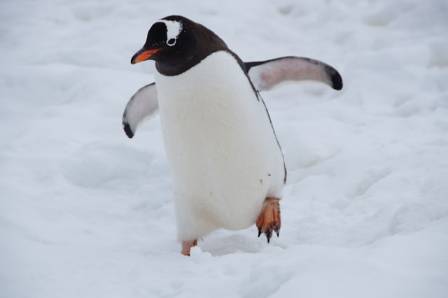
The emperor penguin (Aptenodytes forsteri) is the tallest and heaviest penguin species currently living on Earth and is found only in Antarctica. Males and females look very similar, with both reaching about 100 cm (39 inches) in height and weighing between 22 and 45 kg (49 to 99 pounds).
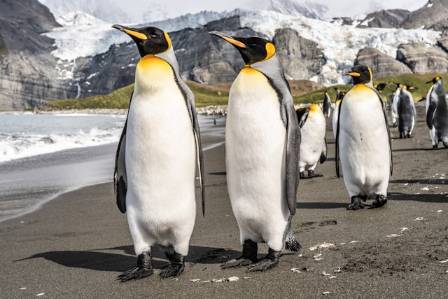
Their appearance is easy to recognize, with black feathers covering the head and back, a bright white belly, a pale yellow chest area, and vivid yellow patches near the ears. The sharp contrast between these colours gives emperor penguins their distinctive look.
Breeding During the Antarctic Winter
Emperor penguins are unique because they reproduce during the harsh Antarctic winter. To reach their breeding grounds, they travel across frozen sea ice for distances of around 50 to 120 km. These breeding colonies can contain thousands of penguins gathered together.
The female lays a single egg, which is then carefully protected by the male. The male keeps the egg warm for just over two months while the female returns to the ocean to feed.
After the chick hatches, both parents share responsibilities. They take turns staying at the colony to protect and feed the chick while the other parent travels to the sea to search for food. Emperor penguins usually live around 20 years in the wild, although some individuals have been recorded reaching 50 years.
Habitat and Distribution
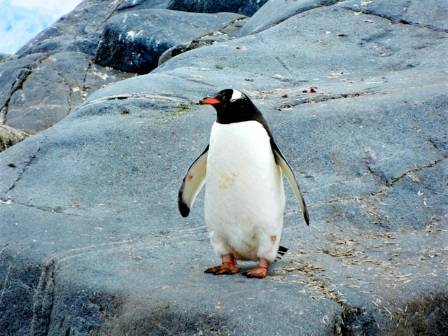
Among the 18 recognized penguin species, only two are considered true Antarctic species: the emperor penguin and the Adélie penguin.
Emperor penguin breeding colonies are spread along the coastline of Antarctica, where they survive in one of the coldest environments on the planet.
Social Behaviour
Emperor penguins are highly social animals, both when raising their young and when searching for food. When hunting, groups of penguins often work together, coordinating their movements while diving and returning to the surface.
They may be active at any time of day or night. Adult emperor penguins spend much of the year moving between their breeding colonies and feeding areas in the ocean. From January to March, they spread out into the surrounding seas to find food.
Diet and Feeding Habits
Emperor penguins mainly eat fish, crustaceans, and cephalopods. The exact makeup of their diet differs depending on the population and location.
Fish are usually their primary food source, with Antarctic silverfish making up a major part of what many emperor penguins consume. They also feed on other marine animals available in their icy ocean environment.
यह भी पढ़ें
कैलिफ़ोर्निया सी लायन
उर्वशी

सिल्क रोड के किनारे सबसे खूबसूरत झीलें और घास के मैदान
तनिष्क

13 सर्वश्रेष्ठ डोनट्स, रैंकिंग
विकास

बास्केटबॉल में डंकिंग
रणवीर

प्राकृतिक परिदृश्यों को चित्रित करने और रंगने के लिए व्यापक मार्गदर्शिका
सुरेश नायक

हमारे संपादकों के शुरुआती स्कियर्स के लिए शीर्ष 10 टिप्स
आदिति