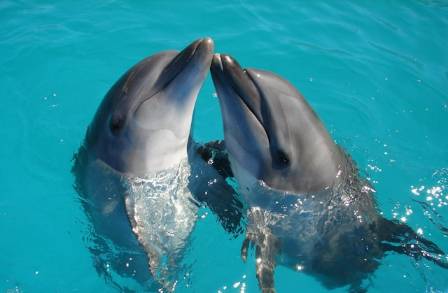
Dolphins are among the most captivating and intelligent creatures on Earth, celebrated for their playful demeanor, complex social structures, and remarkable adaptability. As highly evolved marine mammals, they have fascinated humans for centuries—featured in myths, art, and conservation efforts worldwide. With over 40 recognized species spanning six taxonomic families, dolphins exhibit extraordinary diversity, ranging from the iconic bottlenose dolphin to the mighty killer whale (often mistakenly called a whale, despite being a dolphin species). These creatures inhabit nearly every aquatic environment on the planet, from the vast open oceans to freshwater rivers and lakes, and their role as apex predators makes them vital to maintaining the health of marine and freshwater ecosystems. Beyond their ecological importance, dolphins’ advanced cognitive abilities—including problem-solving, self-awareness, and emotional depth—have solidified their status as one of the most intriguing species to study and protect.
Scientific Classification & Species Diversity
Dolphins belong to the order Cetacea, a group that also includes whales and porpoises, and are further classified into two main subcategories: oceanic dolphins (family Delphinidae) and river dolphins (families Platanistidae, Iniidae, Lipotidae, and Pontoporiidae). The term “dolphin” specifically refers to toothed whales (odontocetes) within these families, distinguishing them from baleen whales (mysticetes) which lack teeth. This classification encompasses a wide array of species, each adapted to unique habitats and lifestyles. Some of the most well-known species include the common bottlenose dolphin (Tursiops truncatus), recognized for its curved dorsal fin and presence in coastal waters worldwide; the spinner dolphin (Stenella longirostris), famous for its acrobatic spins and leaps; and the killer whale (Orcinus orca), the largest dolphin species, known for its striking black-and-white coloration and complex social pods. River dolphins, such as the Ganges river dolphin (Platanista gangetica) and the Amazon river dolphin (Inia geoffrensis), are specially adapted to freshwater environments, with elongated snouts and poor eyesight (relying instead on enhanced echolocation to navigate murky waters). Each species varies in size, color, and behavior, but all share the defining traits of dolphins: intelligence, sociality, and a carnivorous diet.
Physical Traits & Remarkable Adaptations
Dolphins are perfectly engineered for life in water, with physical adaptations that maximize speed, agility, and survival. Their streamlined, fusiform bodies minimize water resistance, allowing them to reach speeds of up to 20-25 miles per hour (32-40 km/h) and perform acrobatic feats like breaching (leaping out of the water) and spyhopping (raising their heads to observe their surroundings). Unlike fish, dolphins are mammals, so they breathe air through a blowhole on top of their heads—closing it tightly underwater and surfacing periodically to inhale, with some species able to hold their breath for up to 15 minutes. Their skin is smooth, rubbery, and constantly shed (up to 12 times a day), reducing drag and preventing the growth of algae or barnacles. One of their most extraordinary adaptations is echolocation: dolphins emit high-frequency clicks and whistles that bounce off objects in their environment, returning as echoes that allow them to navigate, locate prey, and communicate with precision—even in dark or murky waters. They also have large brains relative to their body size (second only to humans in brain-to-body ratio), with well-developed cerebral hemispheres that support advanced cognitive functions like memory, problem-solving, and emotional recognition.
Behavioral Patterns: Social Bonds and Communication
Dolphins are highly social animals, living in structured groups called pods that can range in size from a few individuals to hundreds (in the case of spinner dolphins or killer whales). These pods are not just random gatherings—they are complex societies with hierarchical structures, cooperative behaviors, and lifelong social bonds. Dolphins engage in a variety of social activities, including cooperative hunting (herding fish into tight balls for easier capture), playful interactions (chasing each other, tossing objects, or riding waves), and mutual grooming (rubbing against each other to remove parasites). Mother-calf bonds are particularly strong: female dolphins carry their young for 10-18 months (depending on the species) and nurse them for up to 4 years, teaching them essential skills like hunting and navigation. Communication is central to dolphin social life, with a sophisticated system of vocalizations including clicks (for echolocation), whistles (unique to each individual, acting like a “name”), and body language (tail slaps, pectoral fin touches, and postures) to convey emotions, warnings, or social cues. Research has shown that dolphins can recognize themselves in mirrors (a sign of self-awareness) and exhibit empathy, often coming to the aid of injured pod members or even other species.
Diet & Ecological Role as Apex Predators
As carnivorous apex predators, dolphins play a crucial role in regulating aquatic ecosystems by controlling prey populations and maintaining balance. Their diet primarily consists of fish (such as herring, mackerel, and cod), squid, and occasionally crustaceans (like shrimp or crabs), with the exact prey depending on the species and habitat. Using their echolocation, dolphins can detect prey even in deep or dark waters, often hunting in groups to increase efficiency. For example, bottlenose dolphins may form a semicircle to herd fish into shallow water, while killer whales coordinate to take down larger prey like seals or even other whales. By preying on weaker or overabundant individuals, dolphins help ensure the health and genetic diversity of their prey populations, preventing the overgrazing of marine plants or the spread of disease. Their role as top predators also makes them “indicator species”—changes in dolphin populations (such as declines or health issues) often signal broader problems in the ecosystem, such as pollution, overfishing, or climate change.
Habitat Range: From Oceans to Freshwater Rivers
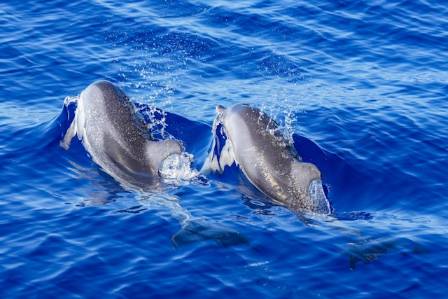
Dolphins are incredibly adaptable, inhabiting a wide range of aquatic environments across the globe. Most species are marine, living in oceans and seas from the tropical coral reefs of the Caribbean to the icy waters of the Arctic and Antarctic (where killer whales and beluga dolphins thrive). Coastal species like bottlenose dolphins often frequent bays, estuaries, and lagoons, drawn to the abundant food sources and sheltered waters—though these areas also bring them into closer contact with humans. Notably, not all dolphins live in saltwater: river dolphins are specially adapted to freshwater environments, inhabiting rivers like the Ganges, Amazon, and Yangtze (though the Yangtze river dolphin is now believed to be extinct). These freshwater dolphins have evolved unique traits, such as long, narrow snouts to navigate through submerged vegetation and reduced eyesight (since murky river waters offer little visibility). Some marine dolphins, like the Irrawaddy dolphin, are also known to venture into freshwater rivers and lakes, particularly in Southeast Asia. Despite their adaptability, dolphins are highly sensitive to habitat changes, and their reliance on clean, undisturbed waters makes them vulnerable to human activity.
Conservation Status: Threats and Endangered Species
While some dolphin species (like the common bottlenose dolphin) are classified as “Least Concern” by the IUCN Red List, many others face severe threats and are listed as endangered or critically endangered. The primary threats to dolphins include human activities such as commercial fishing (dolphins often become entangled in fishing nets, a practice known as bycatch, leading to injury or death), habitat destruction (coastal development, dredging, and pollution from industrial waste, plastic, and oil spills), and climate change (rising ocean temperatures, ocean acidification, and changes in prey distribution). The Atlantic humpback dolphin is one of the most endangered, with only an estimated 1,500 individuals remaining in the wild, threatened by bycatch and habitat loss along the West African coast. Hector’s dolphin, endemic to New Zealand and the world’s smallest marine dolphin, is also endangered, with populations declining due to fishing nets and coastal pollution. The Irrawaddy dolphin (found in Southeast Asia’s coastal waters and rivers) and the Ganges river dolphin are similarly at risk, with only a few thousand mature individuals left. Other threats include noise pollution (from ships, sonar, and construction), which disrupts dolphins’ echolocation and communication, and illegal hunting (for meat, oil, or traditional medicine in some regions).
Conservation Efforts & How to Contribute
Protecting dolphins requires global cooperation, with conservation organizations, governments, and individuals playing key roles. Organizations like the International Fund for Animal Welfare (IFAW), World Wildlife Fund (WWF), and the Dolphin Conservation Society work to address threats through initiatives such as advocating for sustainable fishing practices (including the use of dolphin-safe fishing gear), protecting critical habitats (establishing marine protected areas and river sanctuaries), and raising awareness about dolphin conservation. Many countries have implemented laws banning the hunting of dolphins or regulating fishing practices to reduce bycatch, while international agreements like the Convention on Migratory Species (CMS) aim to protect dolphin populations across borders. Captive breeding programs also help support endangered species, though conservationists emphasize that protecting wild habitats is the most effective long-term solution. Individuals can contribute by reducing plastic use (to prevent ocean pollution), supporting sustainable seafood choices (look for dolphin-safe labels), avoiding marine parks that keep dolphins in captivity, and donating to conservation organizations. Educating others about the importance of dolphins and their ecosystems is also crucial—raising awareness can drive policy change and inspire collective action.
Conclusion: Protecting the Ocean’s Intelligent Icons
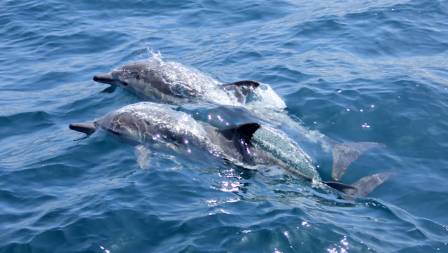
Dolphins are more than just charismatic marine mammals—they are vital to the health of our planet’s aquatic ecosystems and a testament to the complexity and beauty of nature. Their intelligence, social bonds, and remarkable adaptations make them a source of wonder, but their vulnerability to human activity reminds us of our responsibility to protect the natural world. From the vast oceans to the winding rivers, dolphins face unprecedented threats, but with concerted conservation efforts, we can ensure that these intelligent creatures continue to thrive for generations to come. By addressing habitat loss, reducing pollution, promoting sustainable practices, and valuing the intrinsic worth of dolphins, we not only save a species but also preserve the balance of the ecosystems that sustain all life on Earth. Dolphins have captivated us with their grace and intelligence—now it is our turn to stand up for them.