विशेष लेख
Simple Guide to Illustrating a Traditional Cottage: A Step-by-Step Tutorial
Capturing the charm of a rustic cottage on paper is a wonderful way to practice architectural drawing and environmental storytelling. These cozy dwellings, characterized by their unique textures and organic shapes, allow for significant creative freedom. Whether you are sketching a quaint English countryside home or a fantasy forest cabin, the process remains the same. By breaking down the structure into basic geometric forms and gradually adding natural details, anyone can master the art of cottage illustration.
Nathan Andrew Hollister
लेखक
लेख परिचय
नीचे पूरा लेख पढ़ें।
अनुभाग
समाचार
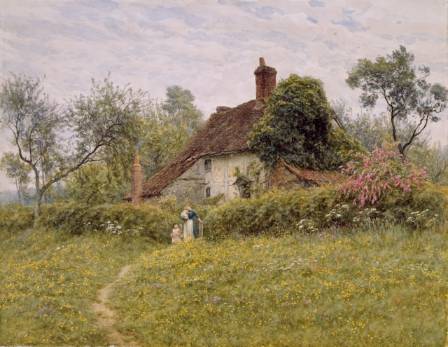
Capturing the charm of a rustic cottage on paper is a wonderful way to practice architectural drawing and environmental storytelling. These cozy dwellings, characterized by their unique textures and organic shapes, allow for significant creative freedom. Whether you are sketching a quaint English countryside home or a fantasy forest cabin, the process remains the same. By breaking down the structure into basic geometric forms and gradually adding natural details, anyone can master the art of cottage illustration.
Establishing the Primary Structure and Roofline
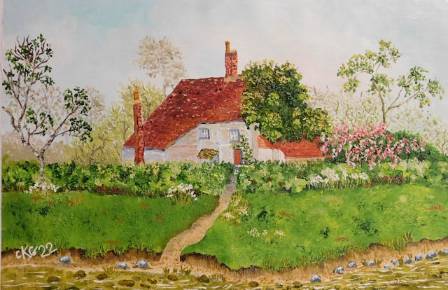
The foundation of every great cottage drawing begins with simple shapes. Start by sketching a large rectangle or square to represent the main body of the house. Once the base is established, add a triangular or trapezoidal shape on top to form the roof. To give the building a more traditional look, you might consider an asymmetrical roofline or adding a smaller overlapping gable. At this stage, it is also important to place the chimney, which is a signature element of a cozy home. Keep your lines light so that you can easily refine them as the drawing progresses.
Adding Architectural Features and Textures
With the basic silhouette in place, you can begin to add the features that give the cottage its character. Position a sturdy door at the front and place several windows around the walls. To enhance the rustic aesthetic, add cross-panes to the windows and small shutters on either side. This is also the phase where you introduce texture. You can suggest a thatched roof with long, sweeping strokes, or a tiled roof with small, repetitive scalloped shapes. For the walls, consider adding a stonework or timber-frame pattern to give the cottage a sense of history and sturdiness.
Incorporating the Natural Environment and Final Touches
A cottage is never truly complete without its surrounding landscape. To ground your drawing, add a small stone pathway leading to the door and sketch some low bushes or flowerbeds around the base of the walls. Adding a wisp of smoke curling from the chimney and some climbing ivy on the exterior can make the home feel lived-in and inviting. Finally, go over your main lines with a darker pencil or pen to provide contrast. By varying your line weight and adding light shading under the eaves, you will create a sense of depth and charm that brings your rural retreat to life.
यह भी पढ़ें

बीज से अंकुर तक: अंकुरित करने के लिए एक शुरुआती मार्गदर्शिका, लुईस कोहेन-सिल्वर, पीएच.डी., वी.एल.सी.ई. द्वारा
देव

Brooklyn Bridge: New York City's Historic Engineering Icon
Clara Ann Young

The Ever-Turning Wheel: Key Bike Trends for 2026
Winnie Davis
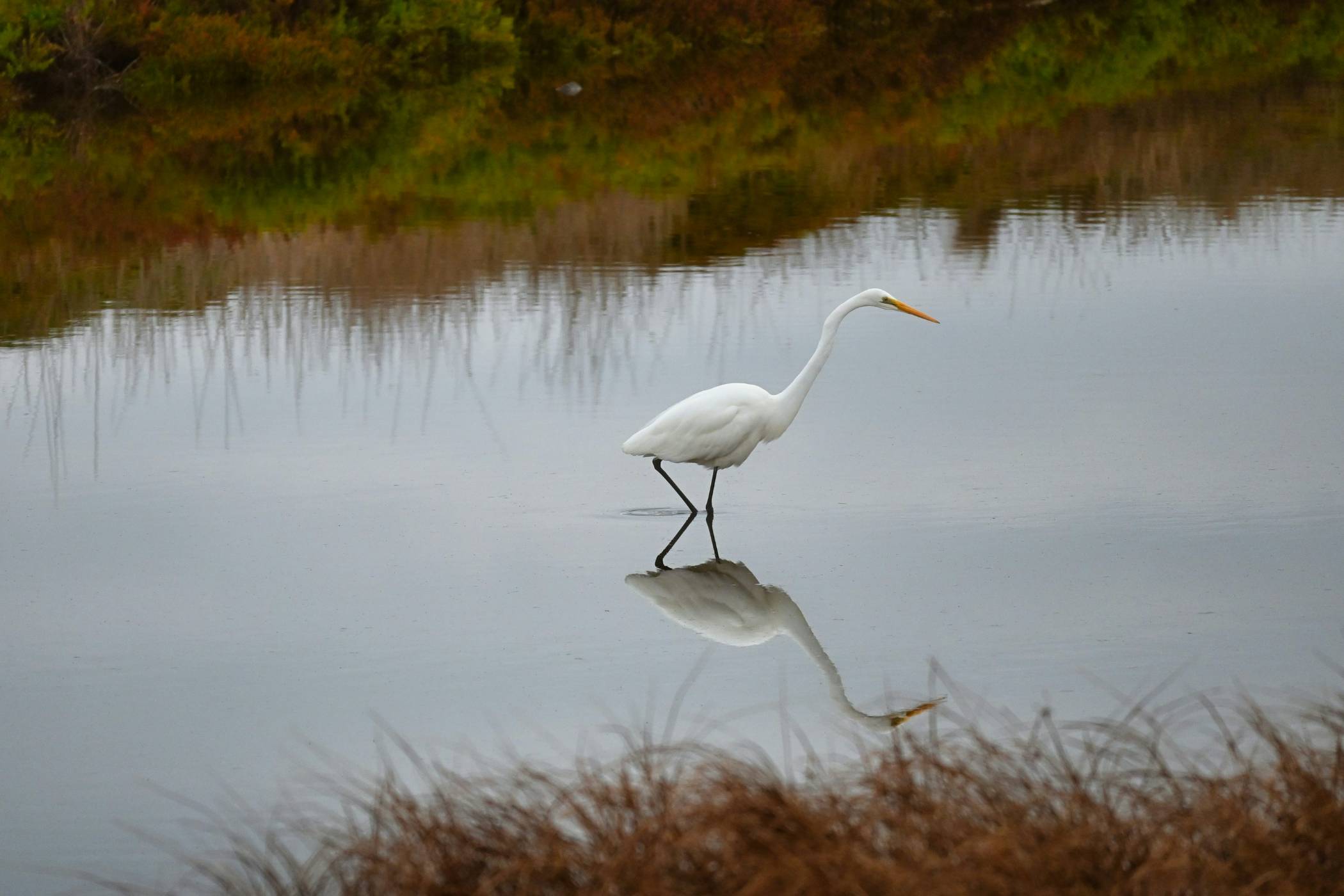
ग्रेट इग्रेट: प्रजाति प्रोफ़ाइल
युवराज

A Smarter Smart City: Sidewalk Labs’ Quayside Project and the Future of Urban Living
Ethan Harris

रैंकिंग: दुनिया की 10 सबसे मशहूर मोटरस्पोर्ट रेस
श्रेया